
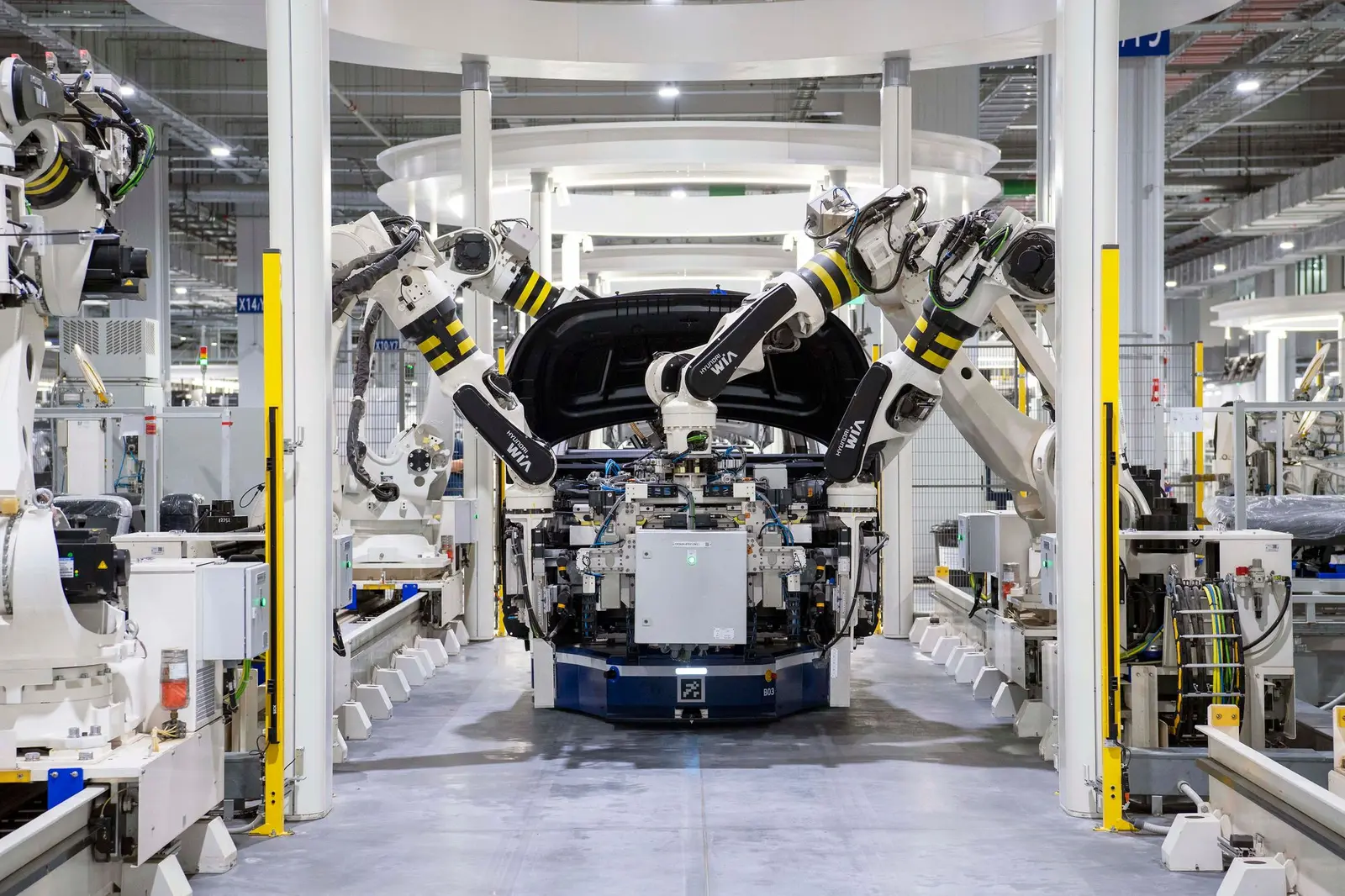
Complete robotic spray cells
Repeatable coverage. Controlled delivery. A cell built around your finish.
Oxford Industrial Automation designs and integrates robotic spraying and coating systems for repeatable paint, adhesive, release-agent and specialist coating applications. We define the robot, process tool, part presentation, controls, safeguarding and environmental interfaces as one production system.
Four focused applications
One integration discipline.
The material changes. The engineering logic remains: define the process, control the path, manage the environment and prove the result.
 01
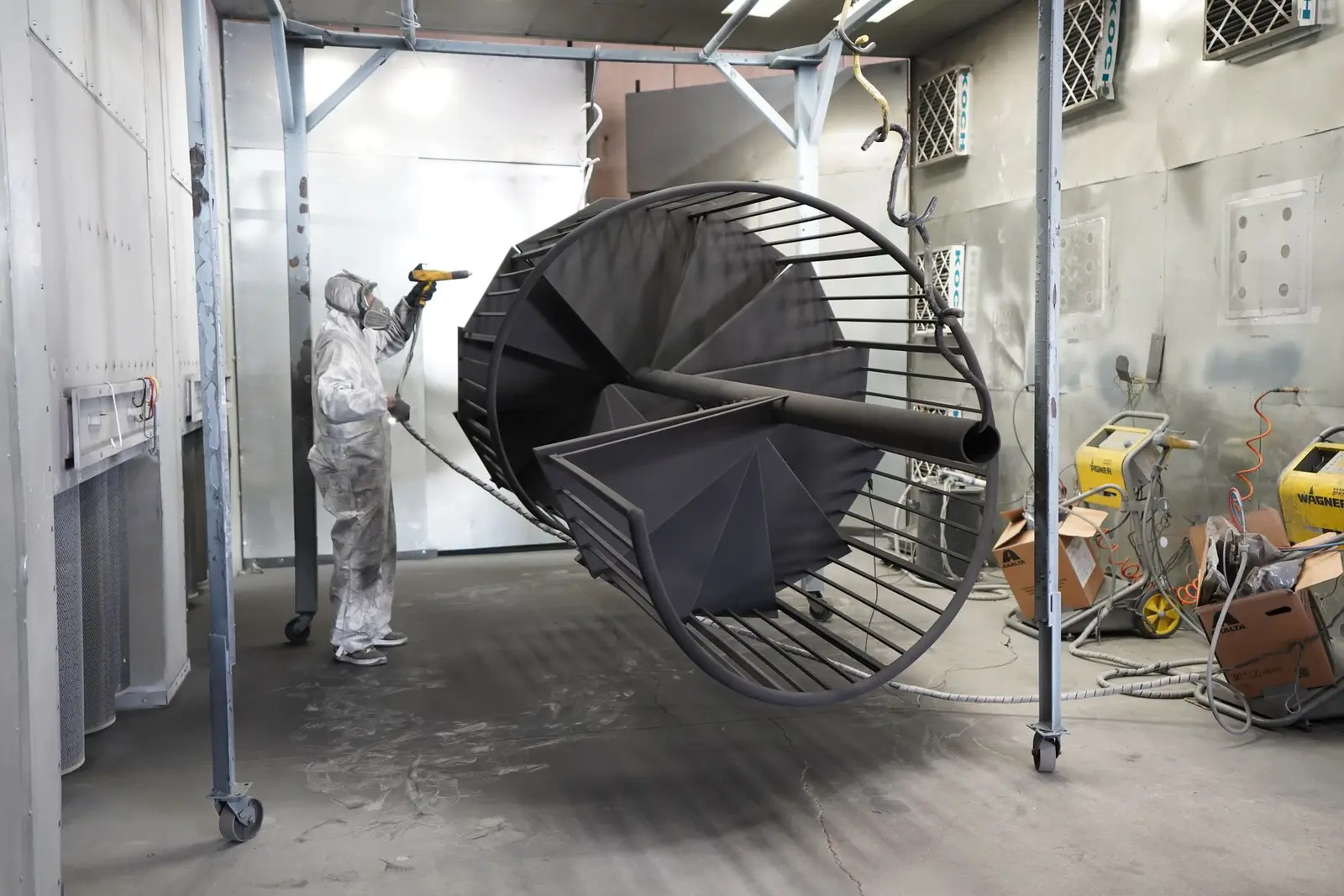
01Paint spraying
Robotic paint spraying cells for repeatable coverage, controlled paths, overspray objectives and production changeovers. UK integration support.
Explore application →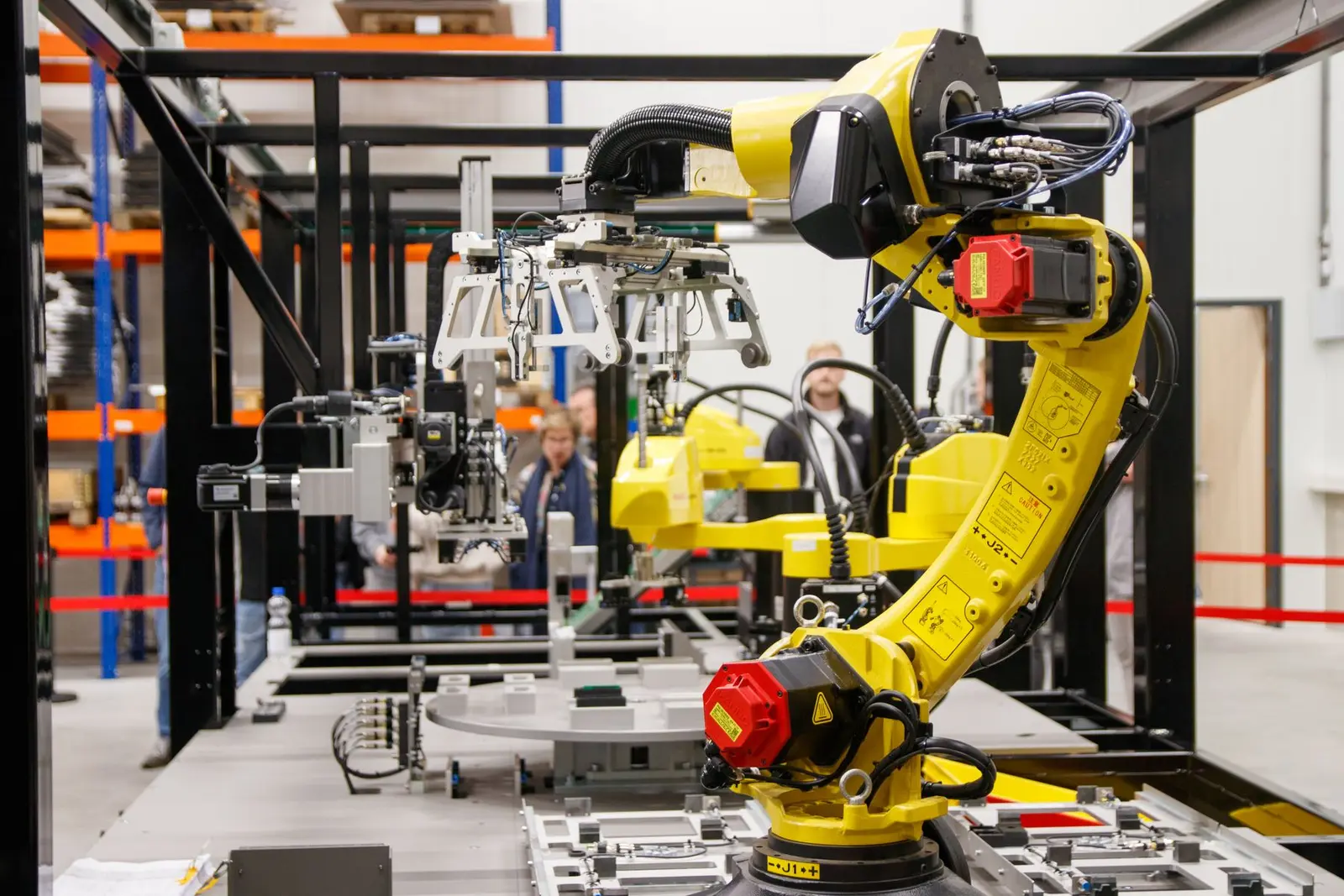 02
02Adhesives
Robotic adhesive spraying and dispensing systems for repeatable beads, films and patterns with metering, path control and production integration.
Explore application →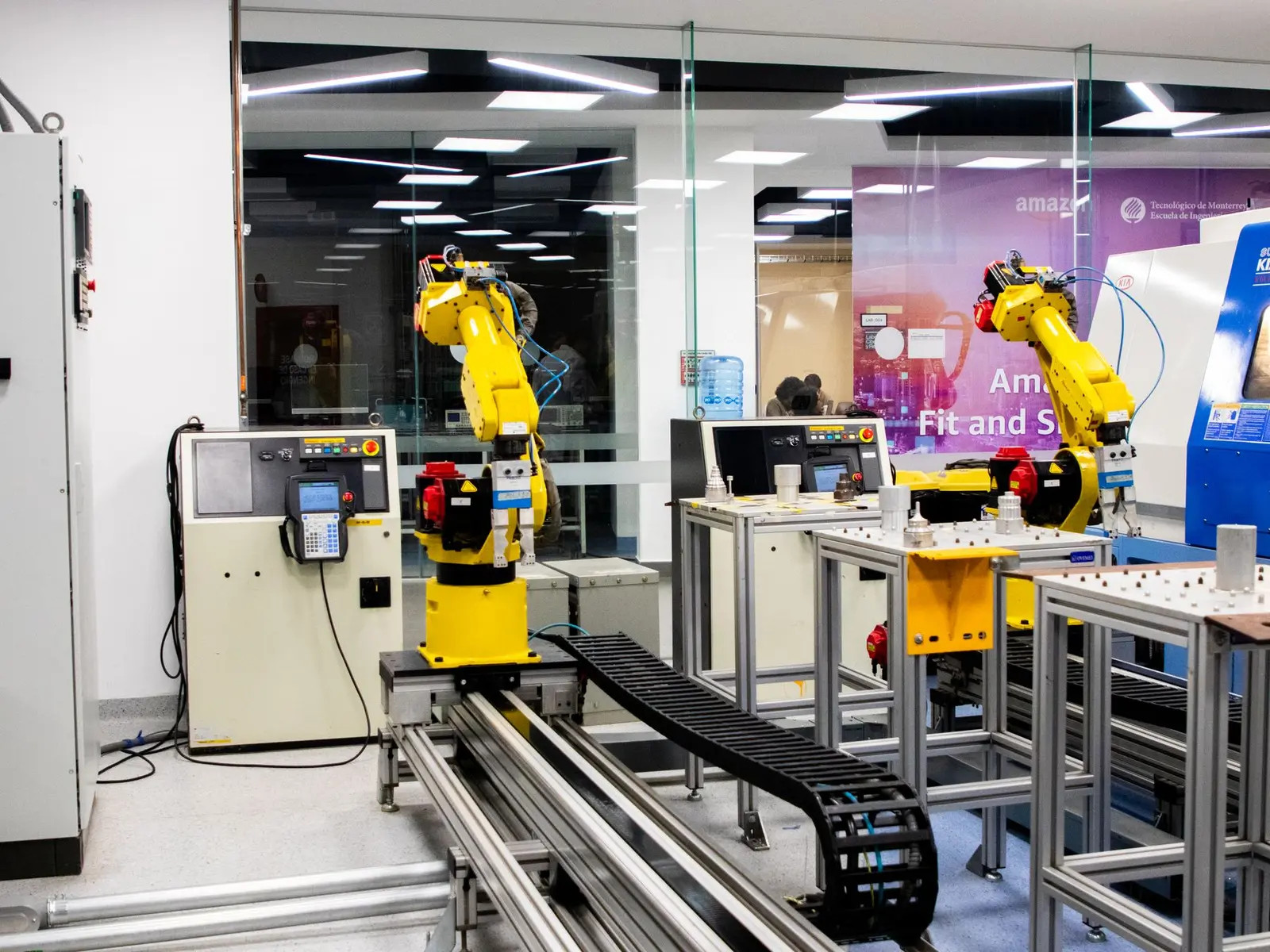 03
03Release agents
Automated release-agent spraying for moulding and forming processes with repeatable coverage, recipes, extraction interfaces and fast changeovers.
Explore application →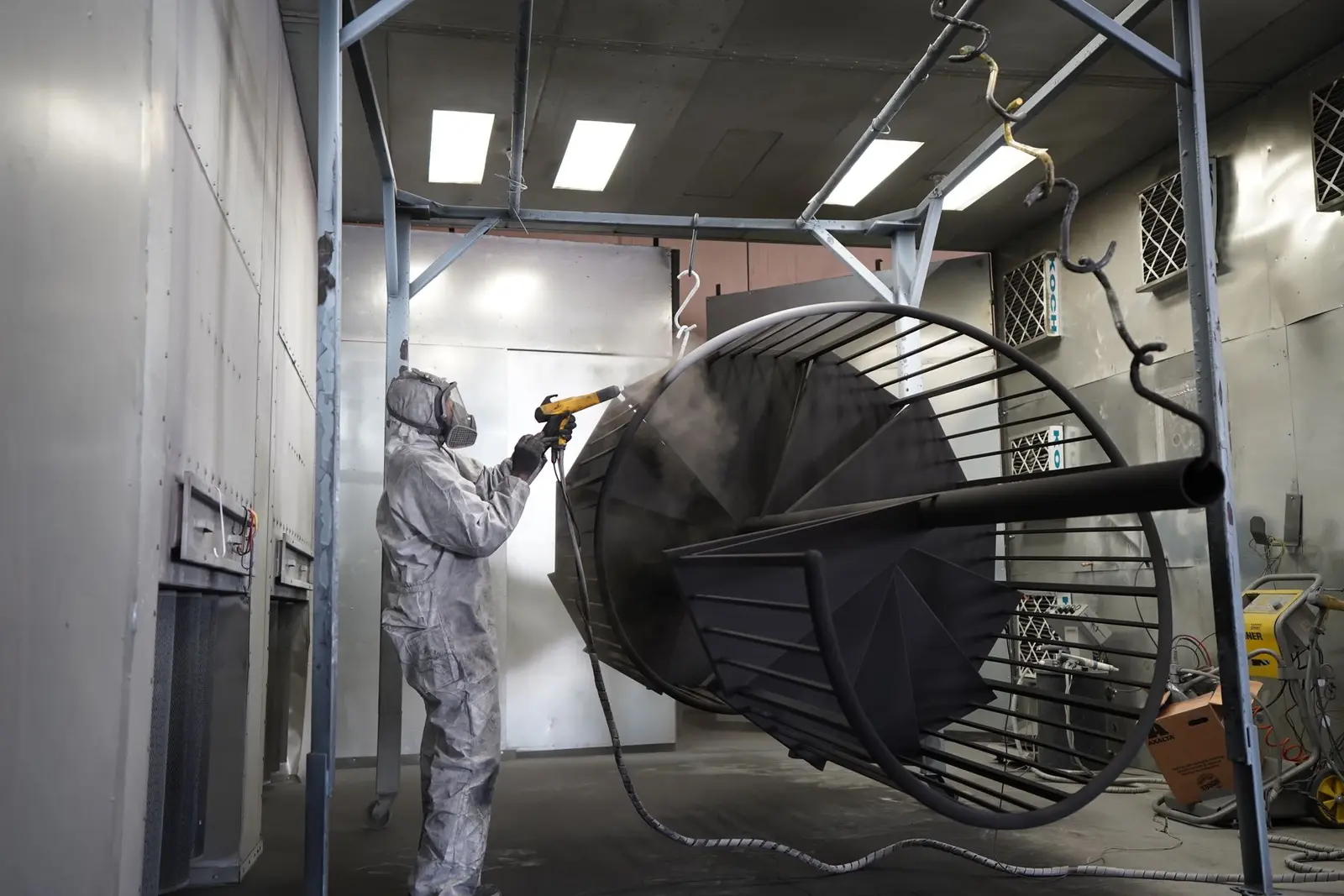 04
04Coatings
Robotic industrial coating systems for primers, protective finishes, powders and specialist materials with controlled paths and complete cell integration.
Explore application →Start with the process
The robot follows the finish requirement—not the other way round.
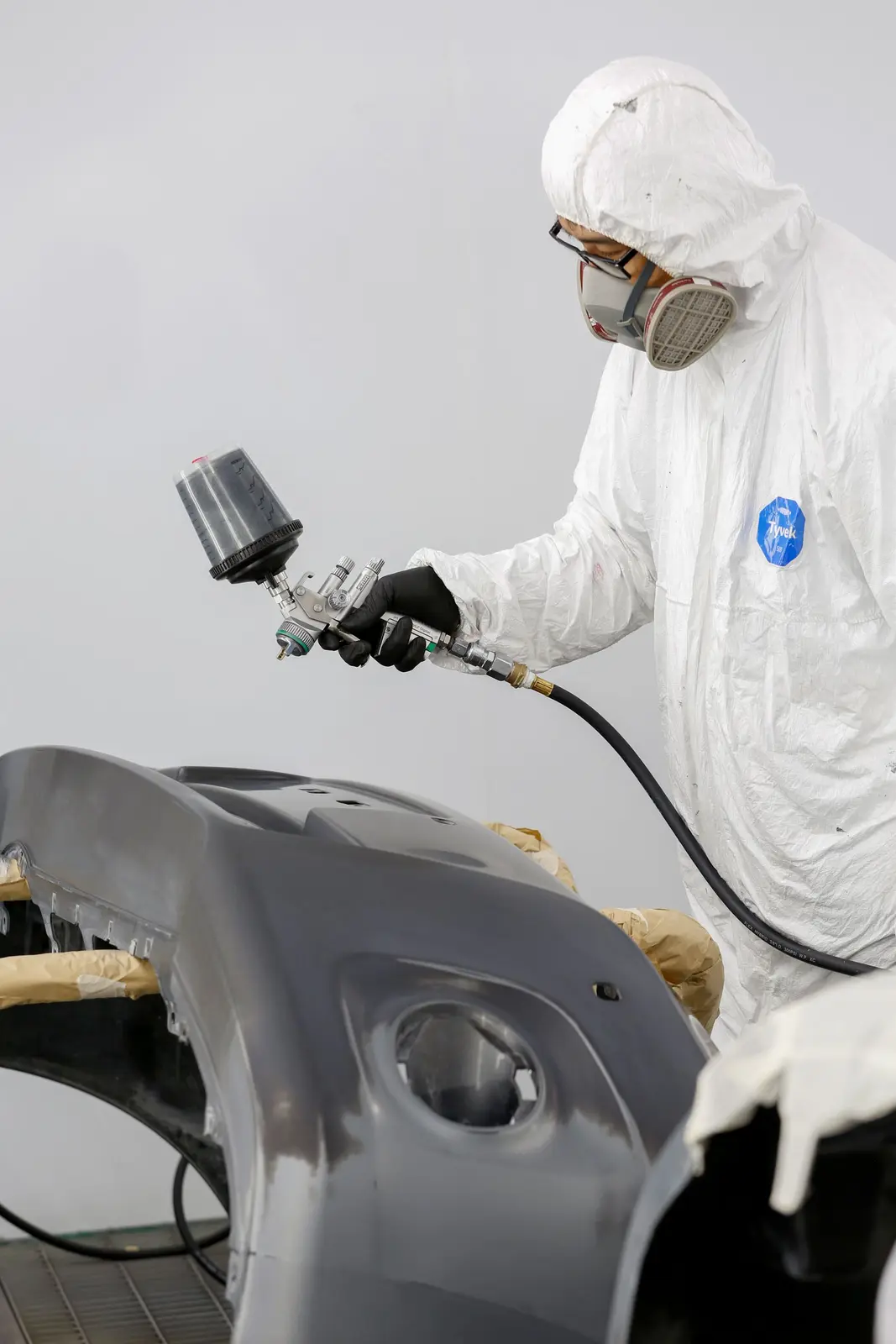
A useful spraying-cell brief begins with the material, substrate, target film or bead, acceptable finish, takt time and environment. From there we can assess atomisation or dispensing technology, gun orientation, stand-off distance, overlap, velocity, access and the workpiece-handling strategy.
The result may be a fixed-part robot cell, a conveyor-tracked system, a robot working with a servo positioner, or a coordinated cell with more than one process station. The architecture is selected only after the real process constraints are understood.
- Consistent gun angle, distance and travel speed
- Controlled recipes for products and variants
- Purpose-designed fixtures, positioners and material services
- Interfaces for extraction, booth equipment and line controls
Production outcomes
Engineer the variables that influence finish consistency.
Robotic motion can make the spray path repeatable, but finish quality also depends on material condition, delivery pressure, atomisation, part location, airflow, temperature, cure process and maintenance. We define those interfaces early so the proposed cell addresses the whole production task.
Where appropriate, recipe control can bring robot programmes, process settings, fixture selection and product identification together. That creates a practical basis for controlled changeovers and repeatable recovery after a stop.
- Path repeatability and controlled overlap
- Material-use and overspray reduction objectives
- Inspection, alarms and process-data options
- Operator access, cleaning and maintenance planning
Responsible integration
Controlled environments are part of the cell concept.
Spraying may introduce mist, vapour, dust, contamination, fire or explosion risks. The substance data, application method and production environment must therefore be reviewed before equipment is selected. Booth construction, local exhaust ventilation, zoning, compatible equipment and safe access can be defined with the relevant competent specialists.
Our proposal identifies the agreed system boundary and the interfaces that must be provided by Oxford Industrial Automation, the customer or a specialist process partner.
- COSHH and DSEAR inputs where applicable
- Extraction and booth interlocks
- Guarding, access control and safe recovery
- Defined commissioning and acceptance tests
A complete cell
From application study to handover.
- 01
Study
Part, process, material, rate and environment
- 02
Engineer
Robot, tooling, controls, safety and interfaces
- 03
Prove
Programming, trials and agreed acceptance tests
- 04
Handover
Install, commission, train and support
Project brief
Describe the part, process and finish.
A short, specific brief lets us assess technical fit and identify the right next step without wasting your time.
Compare spray-cell trials using the finished part and the interruption plan
A repeatable robot path is only one input to a coating result. Agree the approved material and part conditions, the inspection stage and the finish acceptance method with the responsible process team before comparing trial outcomes.
Map the surfaces that must receive the specified finish
Identify visible faces, edges, recesses and areas that must remain uncoated. Include fixture contact points and shadowed regions. Compare the part after the required process stages, using the agreed measurement or appearance reference; a wet-looking surface alone is not evidence that the finished coating meets its specification.
Record the process inputs with each trial
Keep the part preparation, material identity, approved material condition, delivery setup and recipe version with the result. Change one assessed factor at a time where practical so the reason for a difference remains interpretable. Do not attribute a change in finish or consumption to the robot path when other inputs also changed.
Define the partly processed work after a stop
Agree how parts interrupted during spraying, curing or transfer are identified and reviewed. A second pass is not automatically an acceptable repair. The responsible process specification should determine whether the part can resume, needs rework or remains held. Include a planned material or colour change in the acceptance sequence where it is part of the intended duty.
Include the environment and access in the scope
Automation does not remove the need to assess substance exposure, ventilation and any fire or explosion hazards relevant to the materials. Allocate that assessment and the required interfaces to competent responsible parties. Review booth retrofit constraints and hazardous-area inputs before treating an existing enclosure as suitable for the proposed process.
Questions before concept
Practical answers for your spraying project.
Every system is engineered around your parts, materials, finish and production targets.
Browse all FAQs →What can a robotic spraying system apply?
Potential applications include liquid paint, primer, lacquer, protective coatings, adhesives, sealants, release agents, oils and some powder or dust processes. Suitability depends on the material, application technology, environment and required finish.
Can you integrate the booth and extraction?
We can define and integrate booth, extraction and process-equipment interfaces within the agreed project scope, working with specialist suppliers where required. Hazardous-area and exposure-control requirements are assessed from the actual substance and process information.
Can one cell handle several products?
Often, yes. Product families can use stored robot and process recipes, product identification, adjustable or interchangeable fixtures and guided changeover steps. We confirm the practical range after reviewing the variants.
What information is needed for an initial concept?
Send product drawings or photos, material safety and technical data, current process details, finish criteria, target rate, product variants, available space and a short process video if possible.
Discuss the real application
Show us the part, material and finish you need.
Send photos, drawings, process data and target output. We will review the application and outline the next engineering step.
What should spraying robots prove beyond repeating the path?
A repeatable path must still produce the required coverage on real parts. Map coated and uncoated faces, difficult recesses and fixture shadows, then record material condition and finish results during the trial. Include product changes and interrupted cycles so partly coated work has a defined disposition. The coating-systems guide explains these acceptance decisions without assuming a guaranteed material saving or a universal cycle rate.