
Industries and parts
Spray-cell engineering for varied products and production environments.
The same robot can serve very different industries, but the surrounding process cannot be generic. We assess the material, geometry, handling, finish standard, environment and changeover pattern for each application.
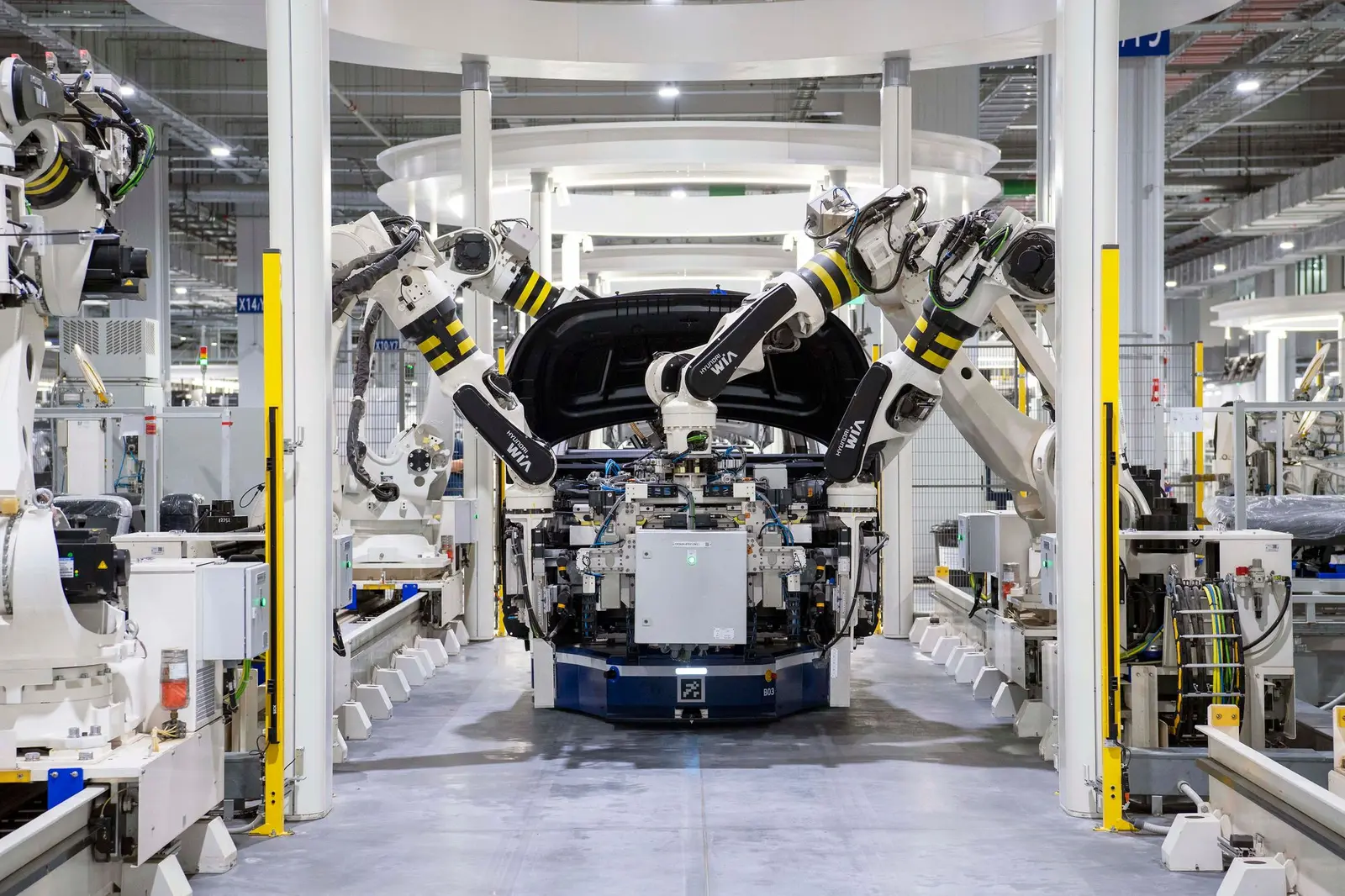
Automotive and transport
Components, structures and assemblies with defined finish zones.
Potential applications include primers, topcoats, protective materials, adhesives and sealants on components and subassemblies.
High variant counts, traceability and line interfaces can be incorporated into the recipe and material-handling concept.
- Body and chassis components
- Interior and exterior trim
- Bonding and sealing paths
- Protective and anti-corrosion finishes
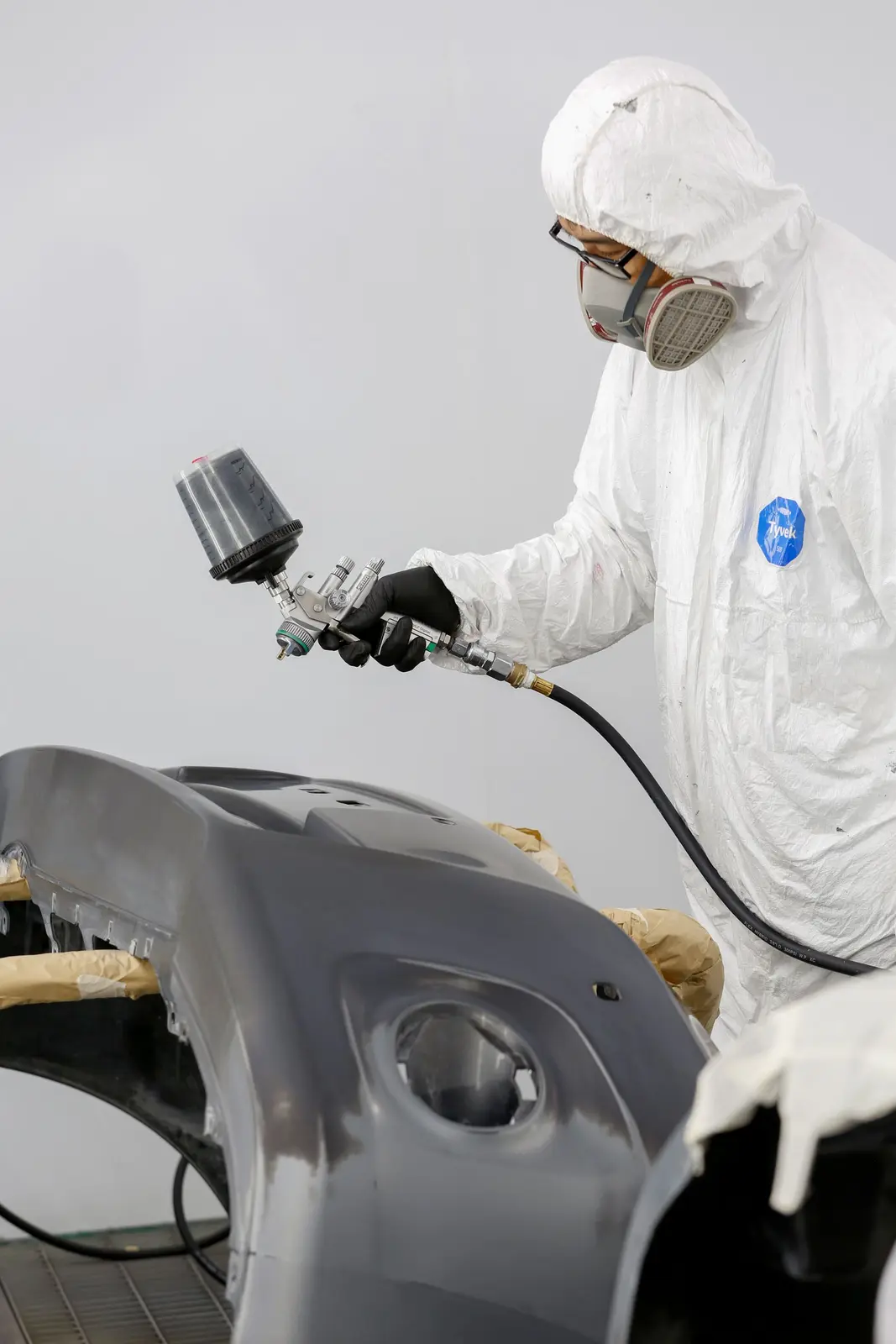
Fabricated products
Controlled coverage across frames, panels and complex weldments.
Large or irregular fabrications may need a track-mounted robot, turning positioner, moving part or divided process zones.
The design considers loading, location, edge access, shadowing, cleaning and practical movement of coated parts.
- Frames, enclosures and cabinets
- Structural and agricultural products
- Machinery and equipment components
- Batch and mixed-model production
Plastics, composites and wood
Respect the substrate and process chemistry.
Substrate sensitivity, static, surface preparation, temperature and solvent compatibility influence applicator and environmental choices.
Mould release, adhesive films, primers, lacquers and specialist functional coatings can be assessed with the relevant material supplier data.
- Moulded and thermoformed parts
- Composite moulds and components
- Panels, furniture and joinery products
- Functional and decorative coatings
Questions before concept
Practical answers for your spraying project.
Every system is engineered around your parts, materials, finish and production targets.
Browse all FAQs →Do you work outside automotive manufacturing?
Yes. Robotic spraying can apply to many general manufacturing sectors where parts, finishes and volumes justify automation.
Can the cell handle large fabrications?
Potentially, using tracks, positioners, moving fixtures or more than one robot. The part envelope, loading method and available space are reviewed.
Is robotic spraying suitable for low-volume products?
It can be when parts are high value, hazardous to spray manually, quality-critical or available as a repeatable product family. The business case is application-specific.
Can you run trials on representative parts?
Trials can be planned where they materially reduce process risk. The test setup, samples, material, acceptance criteria and disposal responsibilities are agreed in advance.
Discuss the real application
Tell us what you make and how it is finished.
We will assess whether robotic spraying is technically and commercially credible for your production.