
Frequently asked questions
Practical answers before you scope a robotic spray cell.
Every spraying application is different, but the same early questions determine whether a concept is credible. These answers explain the typical engineering route without pretending that a generic figure replaces application review.
Choosing automation
When is robotic spraying worth assessing?
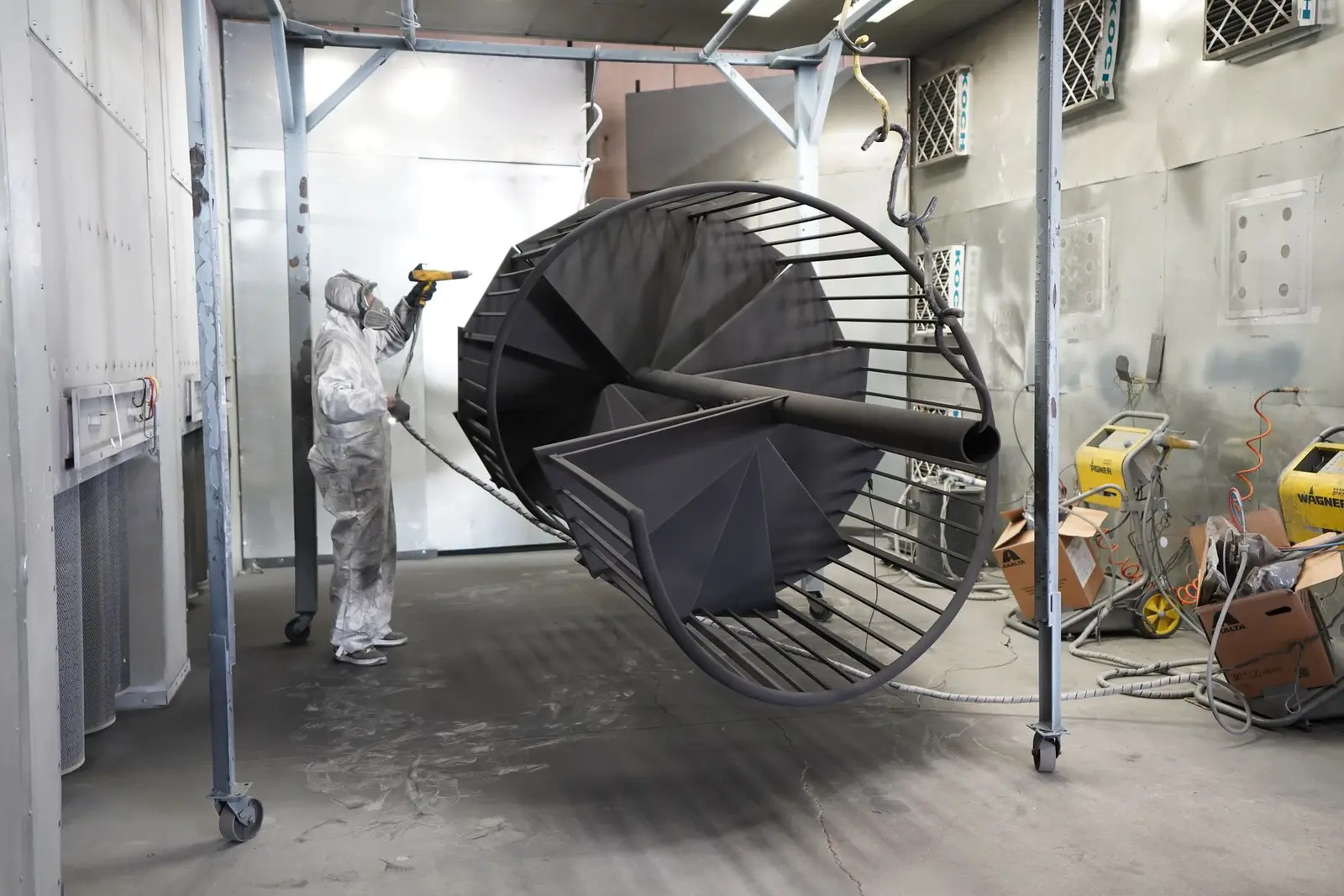
Strong candidates combine repeatable products, a defined finish, meaningful production demand, operator exposure concerns, material-loss opportunities or quality variation that is linked to manual application.
Lower-volume products may still justify automation when they are high value, difficult to access, hazardous or part of a configurable product family.
- Repeatable geometry and fixturing
- Clear quality and rate targets
- Available material-process data
- A practical controlled environment
Buying the right scope
Compare complete cells—not robot-arm prices.
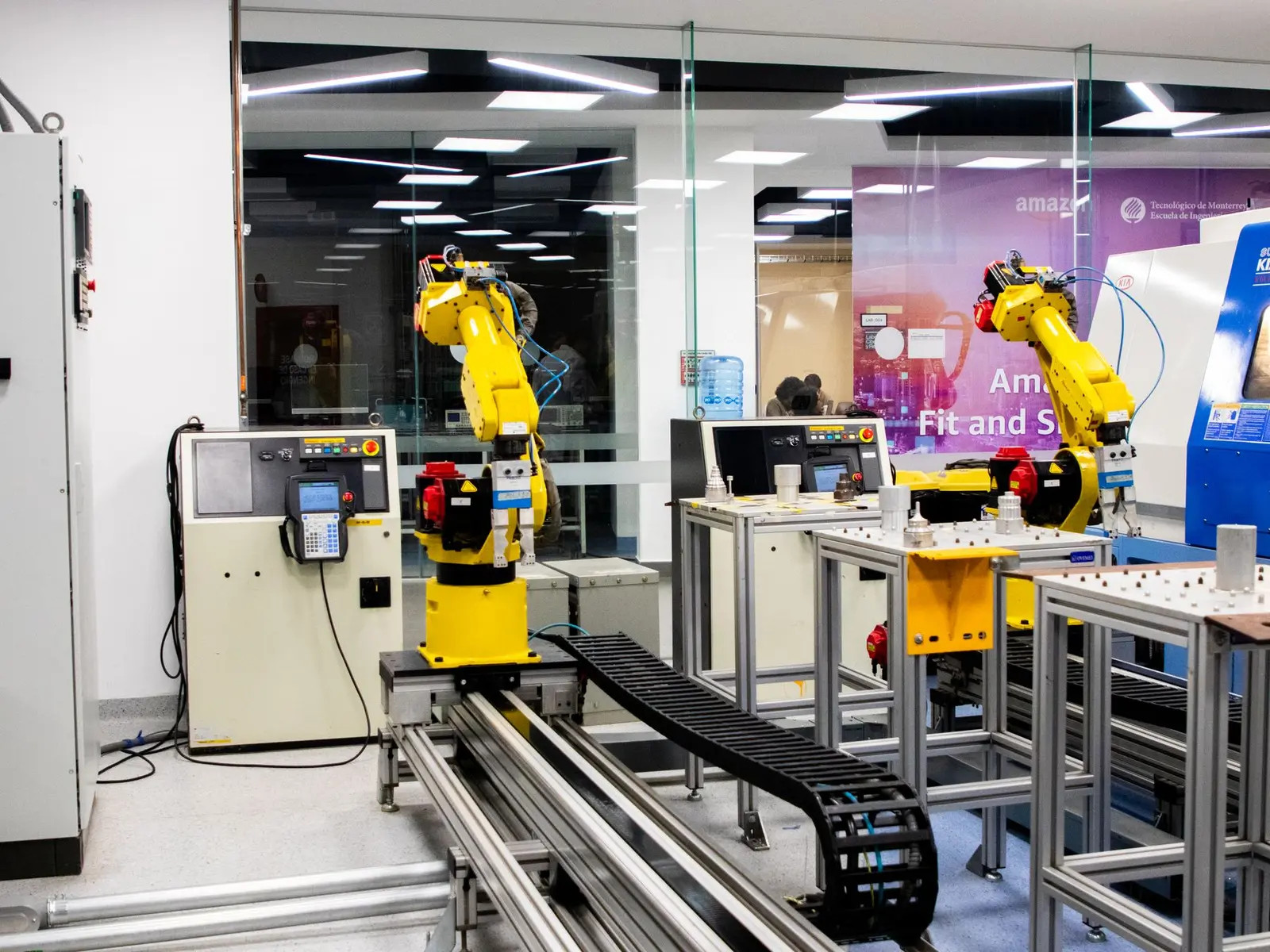
A usable project may include the robot, controller, applicator, material system, fixtures, positioner, booth interfaces, extraction controls, guarding, PLC, HMI, programming, trials, installation and training.
Quotations should state assumptions, exclusions, performance basis and acceptance tests clearly enough to compare the actual production outcome.
- Complete system boundary
- Site services and preparation
- Testing and acceptance evidence
- Training, spares and support
Questions before concept
Practical answers for your spraying project.
Every system is engineered around your parts, materials, finish and production targets.
Browse all FAQs →How much does a robotic spraying system cost?
Cost varies widely with robot class, booth and extraction scope, process equipment, number of materials, part handling, safeguarding, trials and site integration. A responsible budget follows a defined application brief.
How long does a project take?
Programme depends on engineering complexity, trials, bought-out equipment, approvals and site readiness. The proposal should state a project schedule and customer information dates rather than rely on a generic lead time.
Can a cobot be used for spraying?
Sometimes, but collaborative operation is not assumed. The spray process may introduce hazards that require enclosure, extraction and separation even if the arm is marketed as collaborative.
Can you guarantee cycle time and finish?
Performance is confirmed against defined parts, materials, conditions and acceptance tests. Trials or staged validation may be required before firm commitments are appropriate.
Do you supply fixtures and positioners?
Yes. Part location and movement are core to the cell and can include fixed fixtures, indexers, turntables, coordinated servo positioners or conveyors.
What should we send with an enquiry?
Send drawings, photos, part weights, material technical and safety data, current process video, finish criteria, production rate, variants, floor plan and available services.
Discuss the real application
Still deciding whether the application fits?
Send a short process video and the key production figures for an initial conversation.