
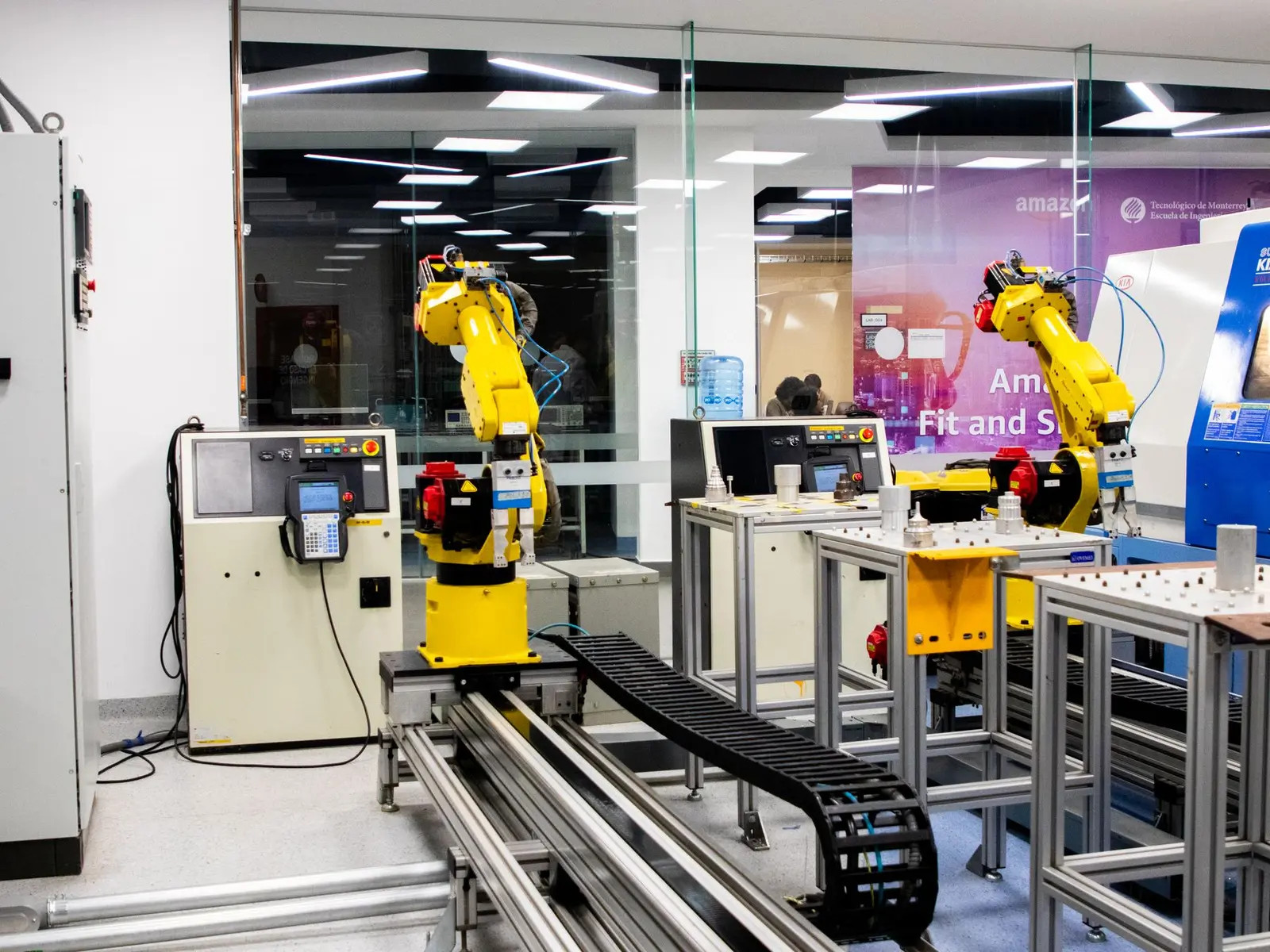
Product changeovers
Build product variation into the cell from the first concept.
A flexible spraying system needs more than several stored paths. Fixtures, applicators, material circuits, identification, cleaning, validation and operator instructions must work together to make changeovers safe and repeatable.
Product families
Separate true flexibility from unbounded variation.
We group parts by geometry, process, fixture and applicator needs. Variants within a sensible envelope may share a cell; outliers can drive disproportionate complexity and should be identified early.
A product matrix makes the required paths, fixtures, materials, cleaning steps and cycle times visible before equipment is committed.
- Part and geometry matrix
- Common datum and fixture strategy
- Recipe and material mapping
- Cycle-time impact by variant
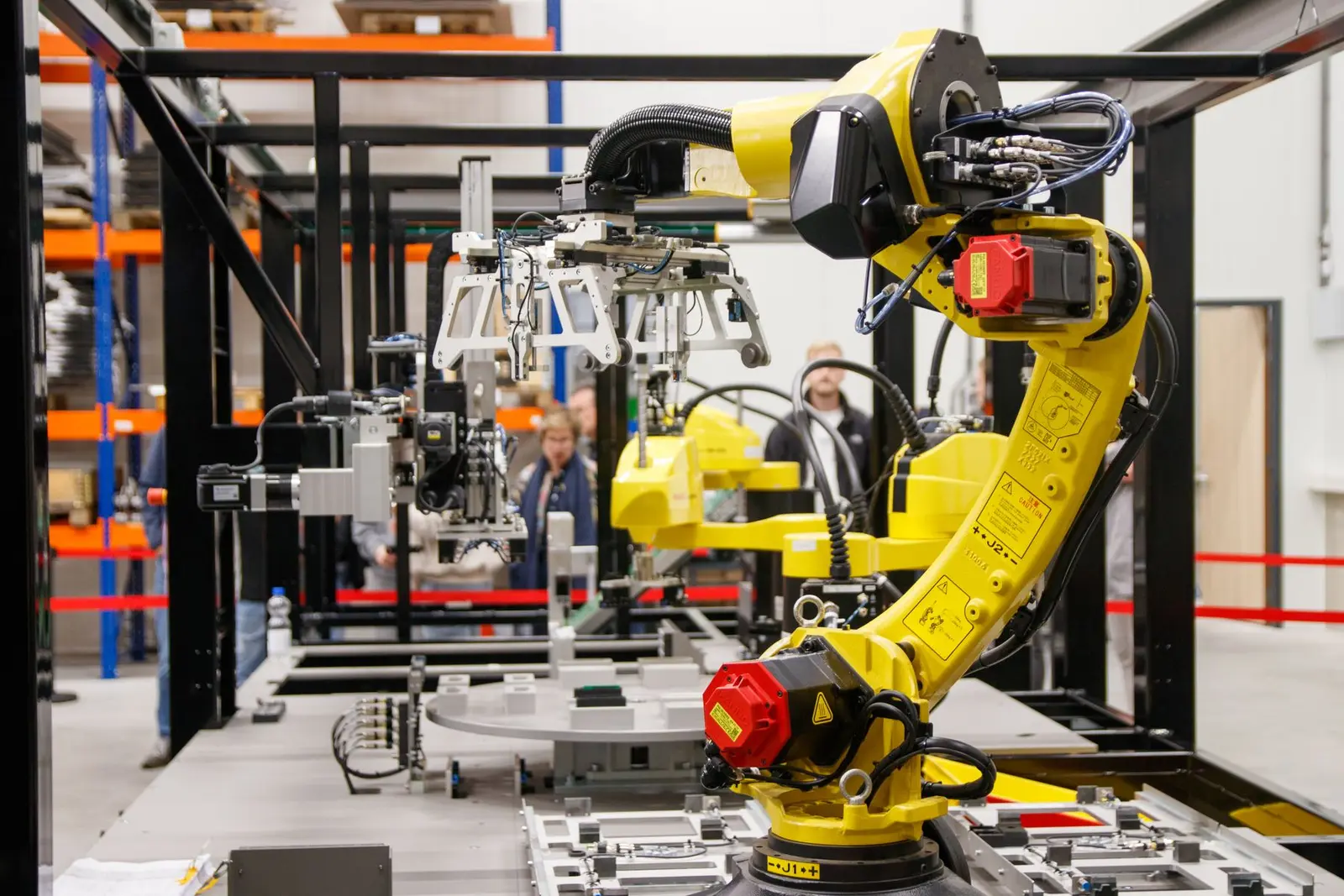
Physical change
Make fixtures and tools difficult to fit incorrectly.
Quick-change fixtures, keyed connections, coded tooling and presence sensors reduce setup ambiguity. If an applicator changes automatically, the tool changer, services and docking station are integrated into the safety and maintenance concept.
Manual changeovers can use guided instructions and confirmation steps where automation is not justified.
- Keyed and sensor-confirmed fixtures
- Manual or automatic tool change
- Managed hose and service connections
- Safe, accessible change positions
Recipe release
Select, confirm and protect the right process.
The cell can compare product identity, fixture status, material route and approved recipe before enabling a cycle. First-off inspection steps can be prompted after a change.
Changeover performance should be measured from last good part to first approved part, including cleaning and validation—not just the mechanical swap.
- Automatic recipe selection
- Mismatch and missing-tool interlocks
- First-off approval workflow
- Changeover time and waste reporting
Paint colour change
Include flushing, retained volume and first-off approval in the change time.
Automatic material selection is only one part of a colour change. The specification should state the permitted contamination, cleaning method, purge and waste route, verification step and the first acceptable part in the new colour.
- Colour list and production sequence
- Fluid-path and dead-leg review
- Recipe and valve-state controls
- Measured last-good to first-good timing
Questions before concept
Practical answers for your spraying project.
Every system is engineered around your parts, materials, finish and production targets.
Browse all FAQs →How many products can one spray cell handle?
There is no fixed number. The practical range depends on geometry, work envelope, fixtures, materials, cleaning, cycle time and the acceptable complexity of operation.
Can a barcode select the robot programme?
Yes. A barcode or other identifier can request a recipe, but the cell should also verify fixture, tooling and material conditions before running.
Can colour changes be automatic?
Automatic colour-change and flushing systems are available for suitable paint technologies. The change time, purge waste and contamination standard must be evaluated.
What is a good changeover target?
The target should reflect production demand and include every step from the last accepted old product to the first accepted new product. We avoid quoting a generic time before reviewing the process.
Discuss the real application
Map your product range before choosing the cell.
Send the variant list, drawings, materials and required batch pattern for a flexibility review.